
Deformity Correction
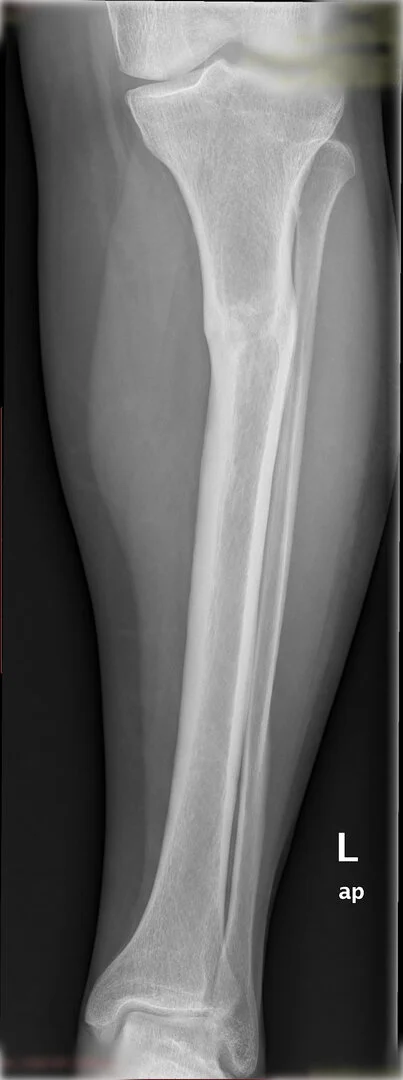
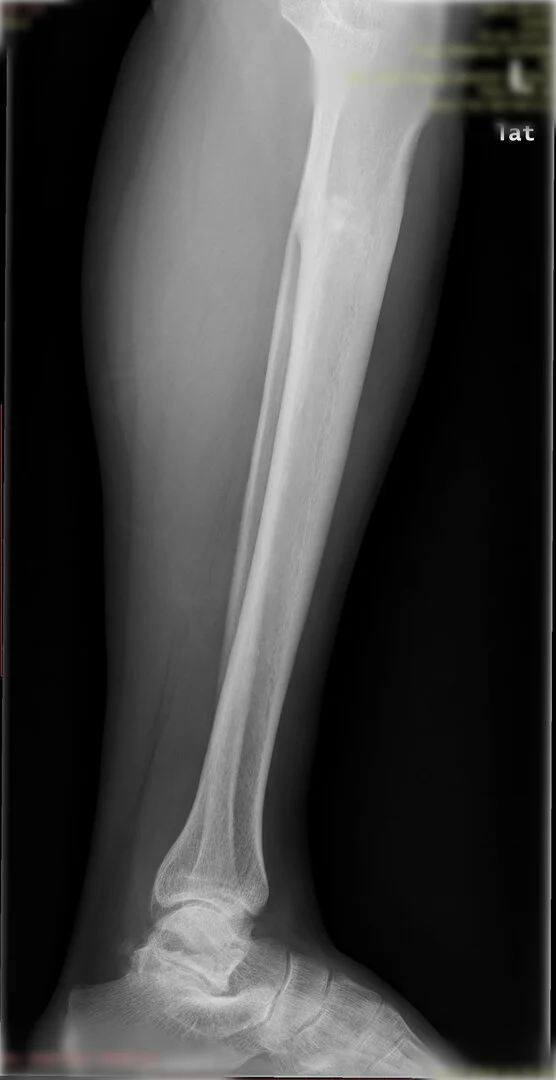
A deformity may develop either as a result of malunion after a fracture or due tocongenital causes.
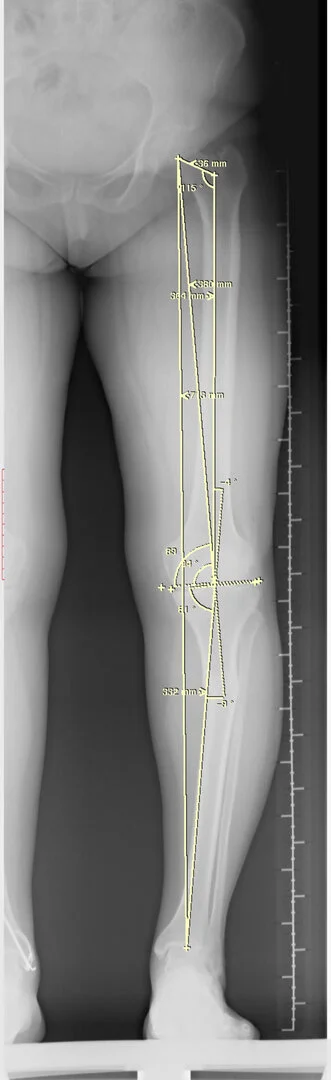
Before surgery, it is essential to thoroughly analyze the deformity and create a precise surgical plan accordingly. If limb shortening accompanies the deformity, both problems—angular deformity and length discrepancy—can be corrected simultaneously during the same procedure.
What methods are used to correct deformities?
The choice of technique depends on the location and severity of the deformity:
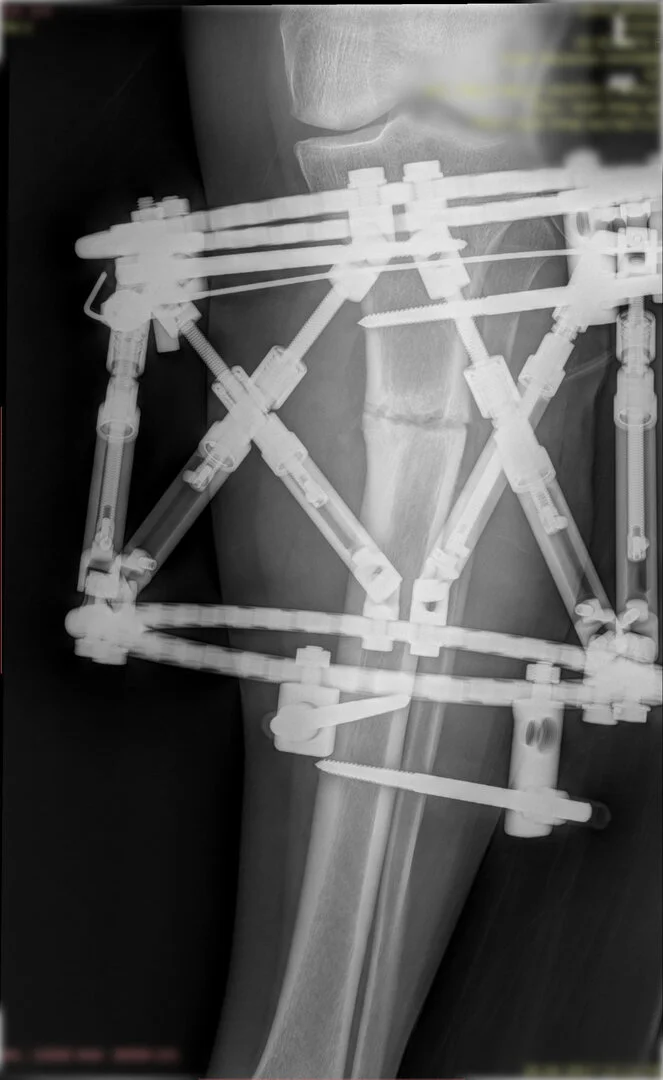
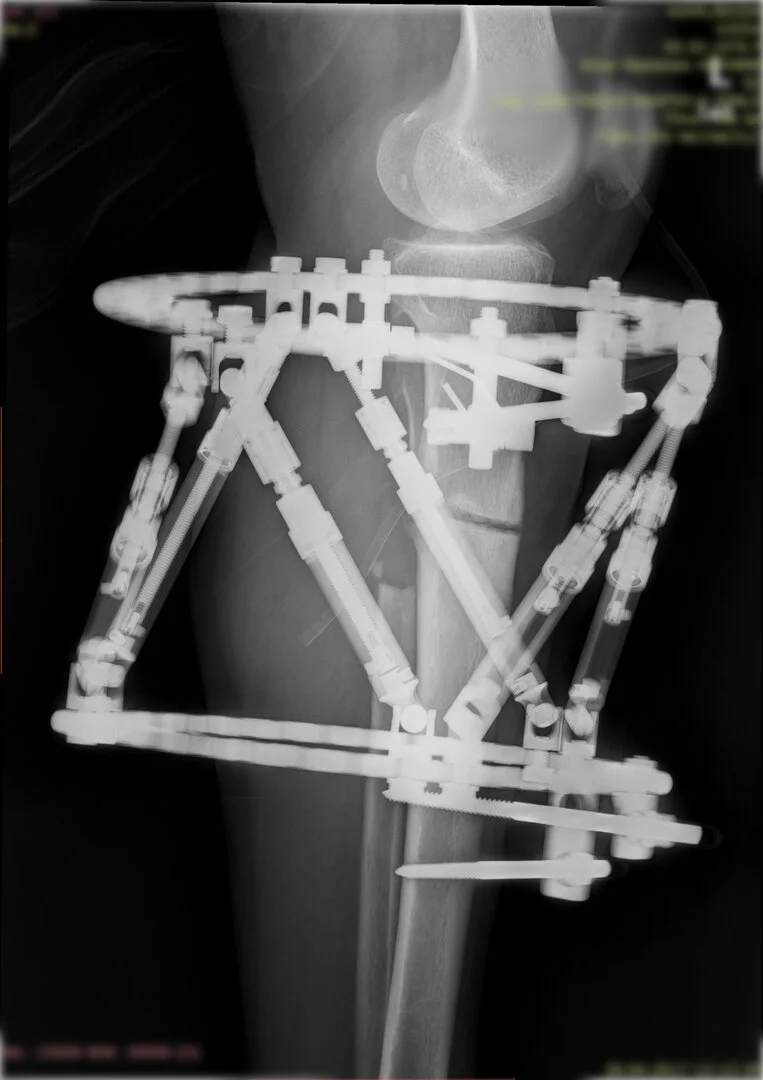
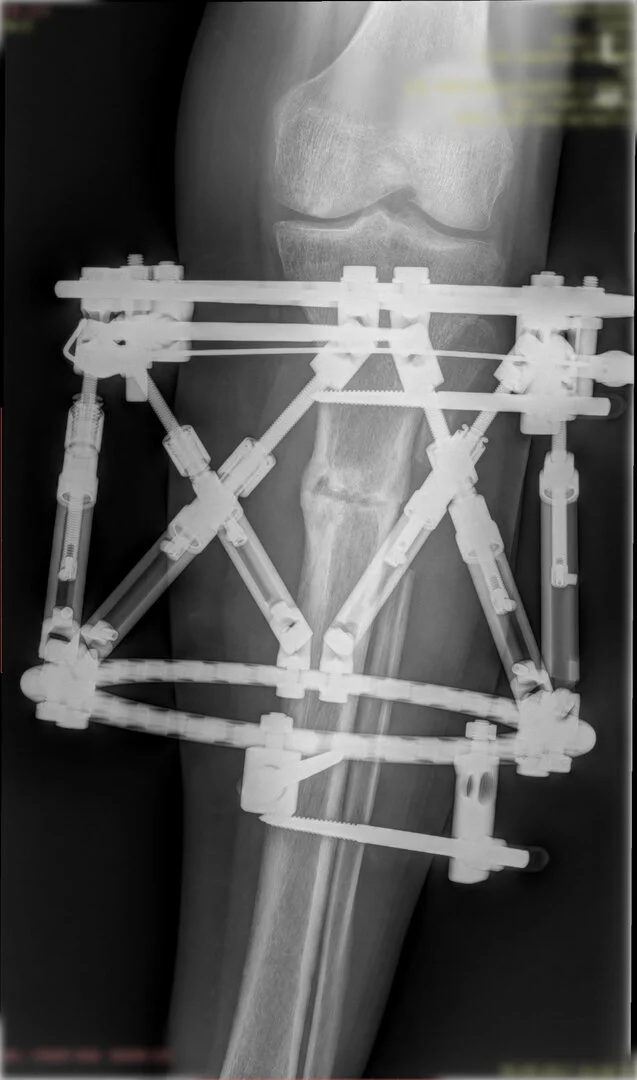
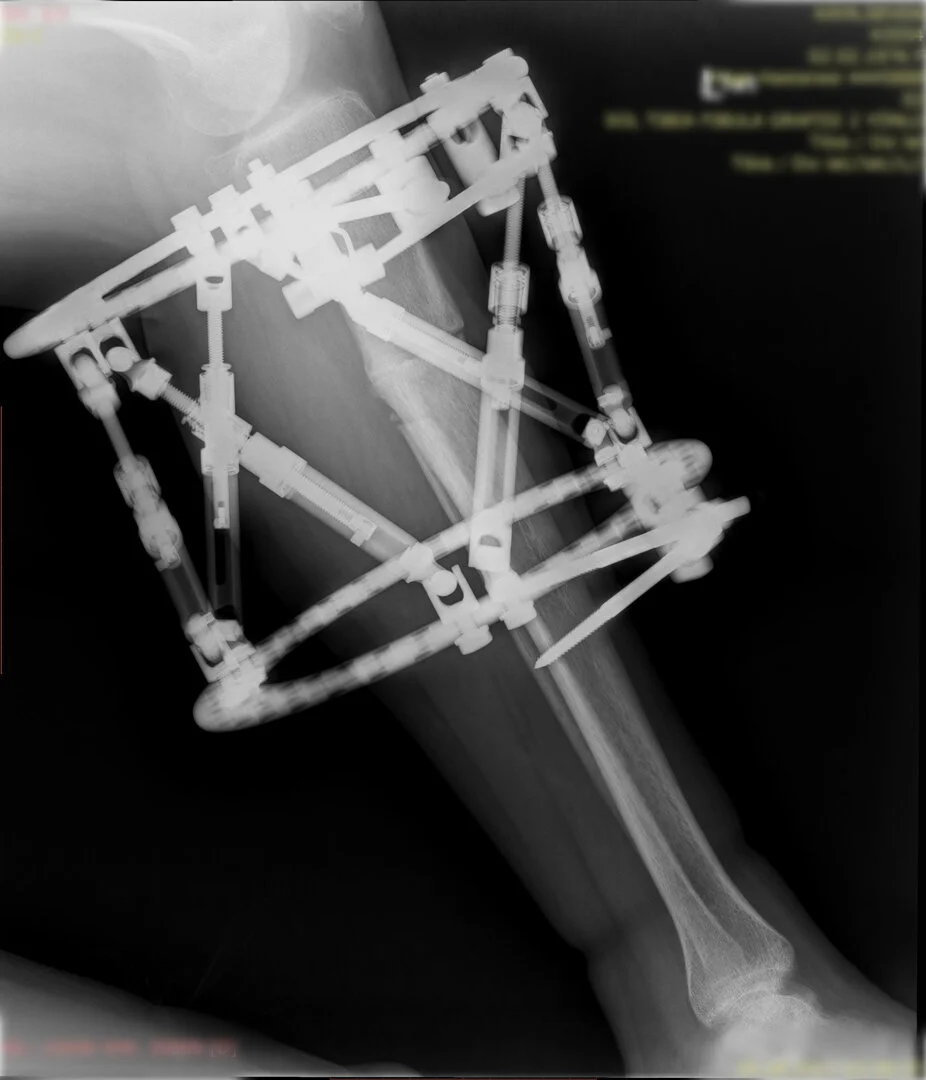
- Gradual correction with computer-assisted circular external fixator:
This method allows for slow, controlled realignment over days or weeks. One major advantage is that adjustments can be made during treatment if needed, ensuring optimal alignment. - Acute (single-stage) correction:
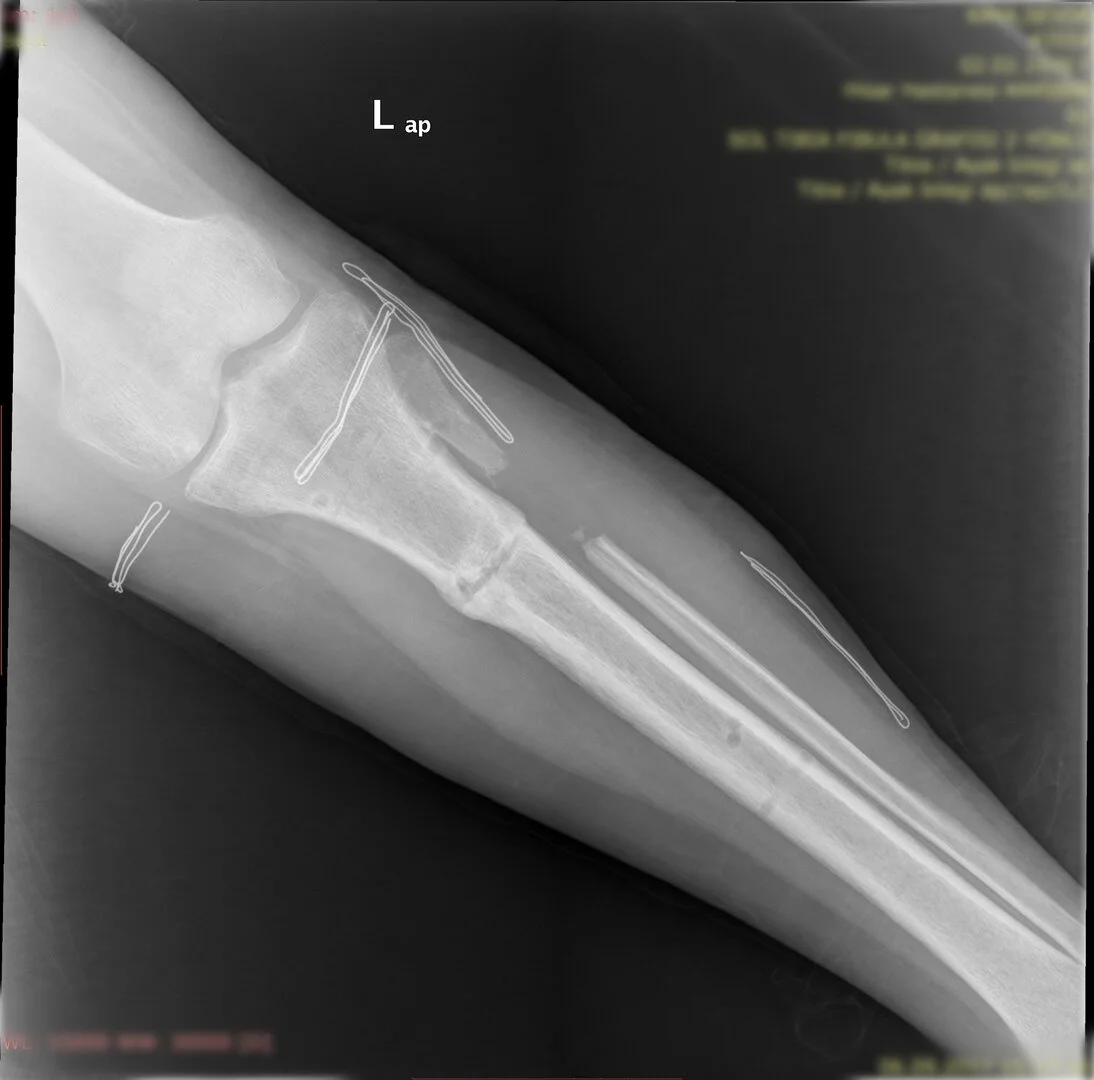
In this approach, the bone is realigned in one surgery and stabilized immediately using either a plate-and-screw system or an intramedullary nail, depending on the case.
The decision between gradual or acute correction—and which fixation method to use—is based on detailed preoperative planning tailored to your specific anatomy.
Osteotomies Around the Knee (High Tibial Osteotomy – HTO & Distal Femoral Osteotomy)
In a normal leg, the knee joint has a slight inward angle—known as physiological genu varus. However, when this angle becomes excessive, abnormal pressure builds up on the inner side of the knee, leading to early-onset osteoarthritis.
This condition is especially important to address in younger patients, as untreated malalignment can cause significant joint damage at an early age.
How is this surgery performed? Which techniques are used?
Before surgery, a detailed deformity analysis is conducted to determine:
- Which bone (tibia or femur) is affected,
- The exact degree of deviation from normal alignment.
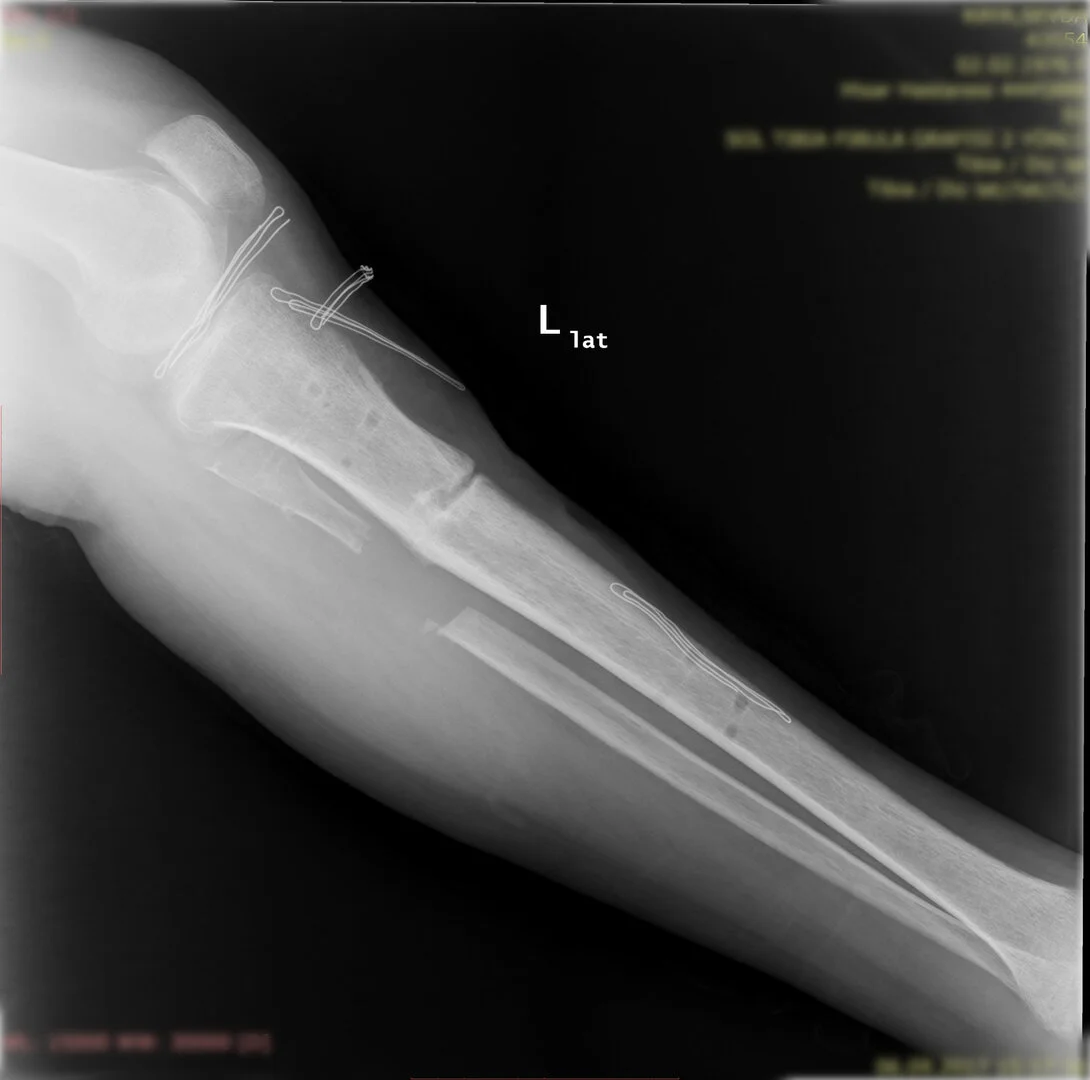
Then, an osteotomy (controlled bone cut) is performed on the affected bone to restore proper mechanical axis. The correction can be achieved by:
- Acute realignment using a plate-and-screw system or intramedullary nail, or
- Gradual correction using a computer-assisted circular external fixator.
The most suitable method is chosen individually for each patient, considering factors like age, activity level, bone quality, and the amount of correction needed.
If you’re considering deformity correction, we encourage you to consult with our team to discuss which surgical approach would best meet your needs and lifestyle goals.
Click on the images to enlarge.
"These contents have been prepared by Prof. Dr. Halil Burç based on over 25 years of clinical experience."