
Hip Replacement
What is Coxarthrosis and How Is It Treated?
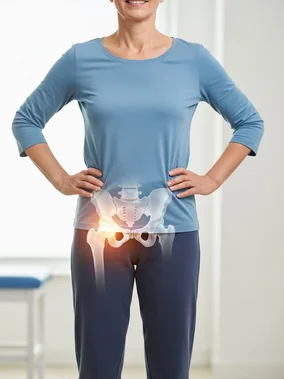
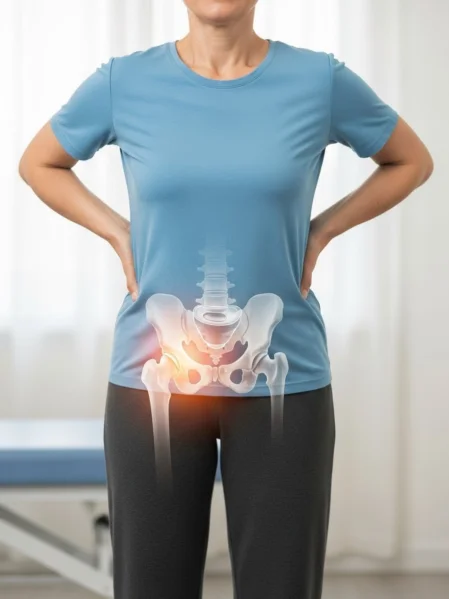
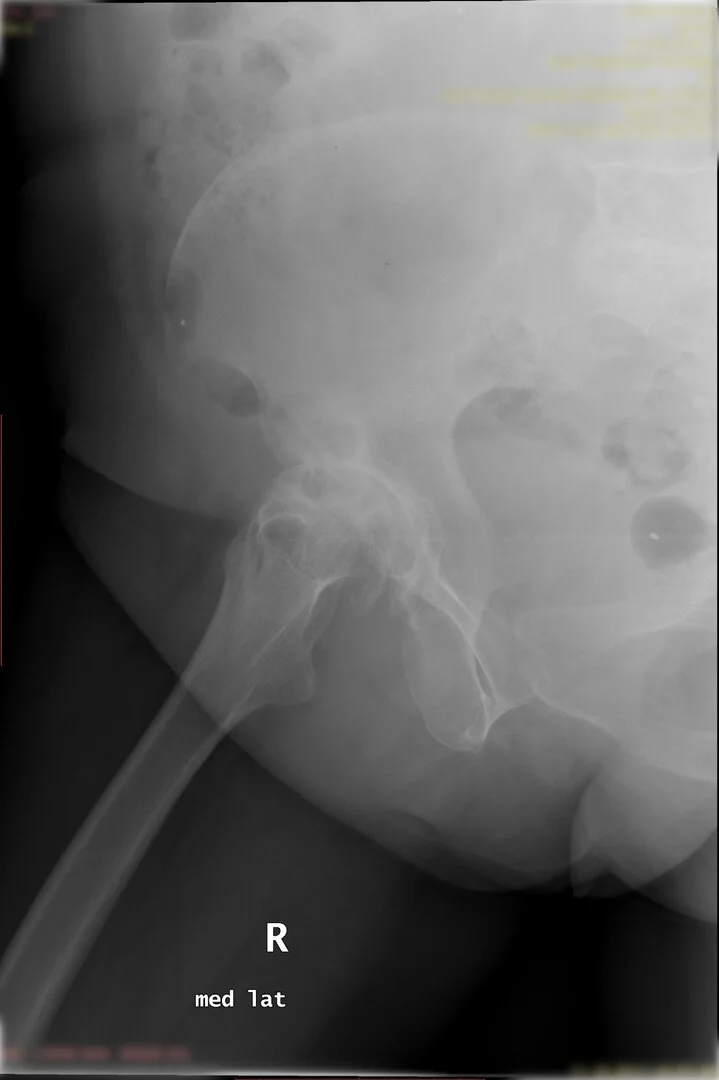
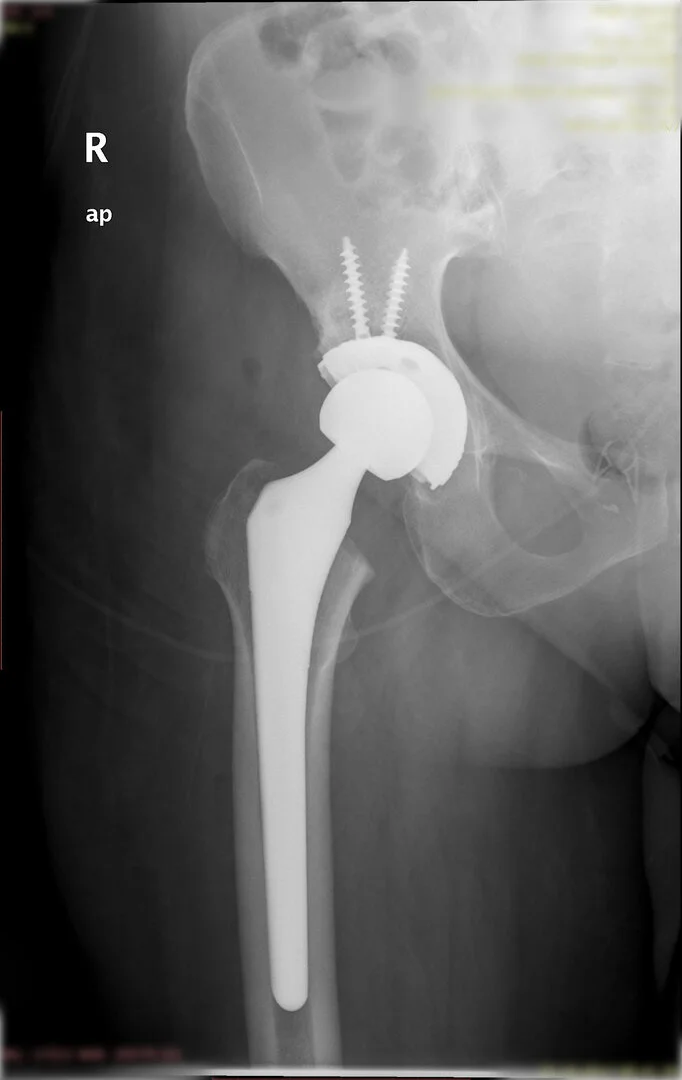
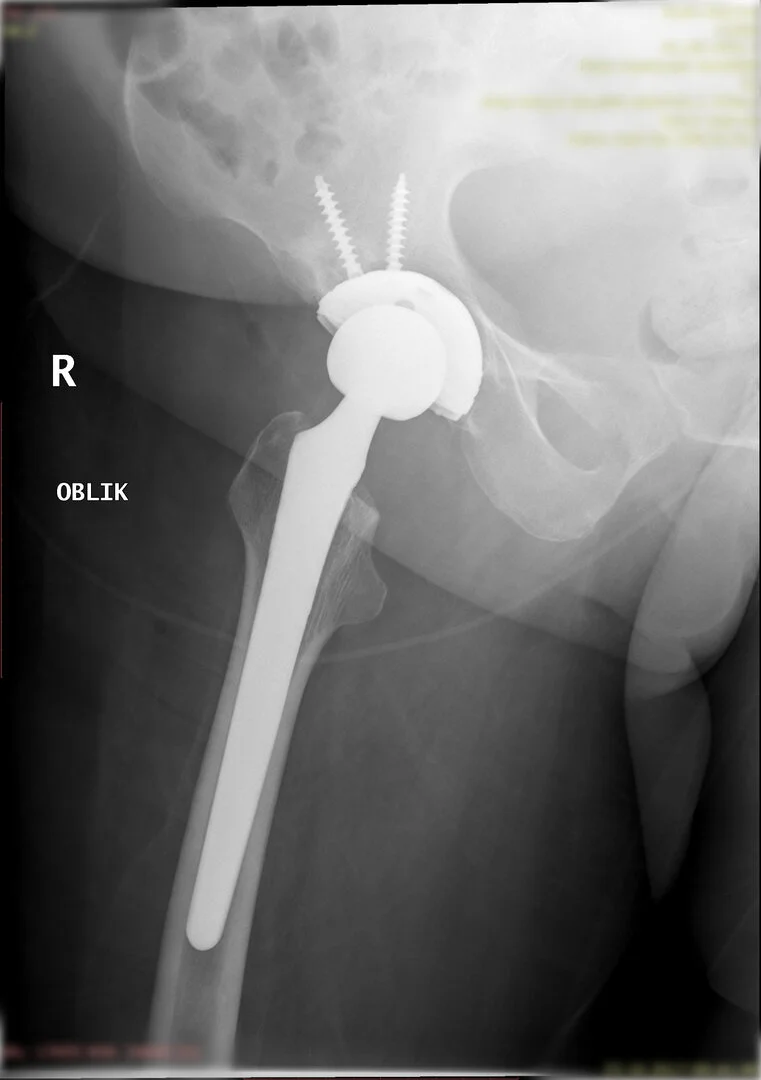
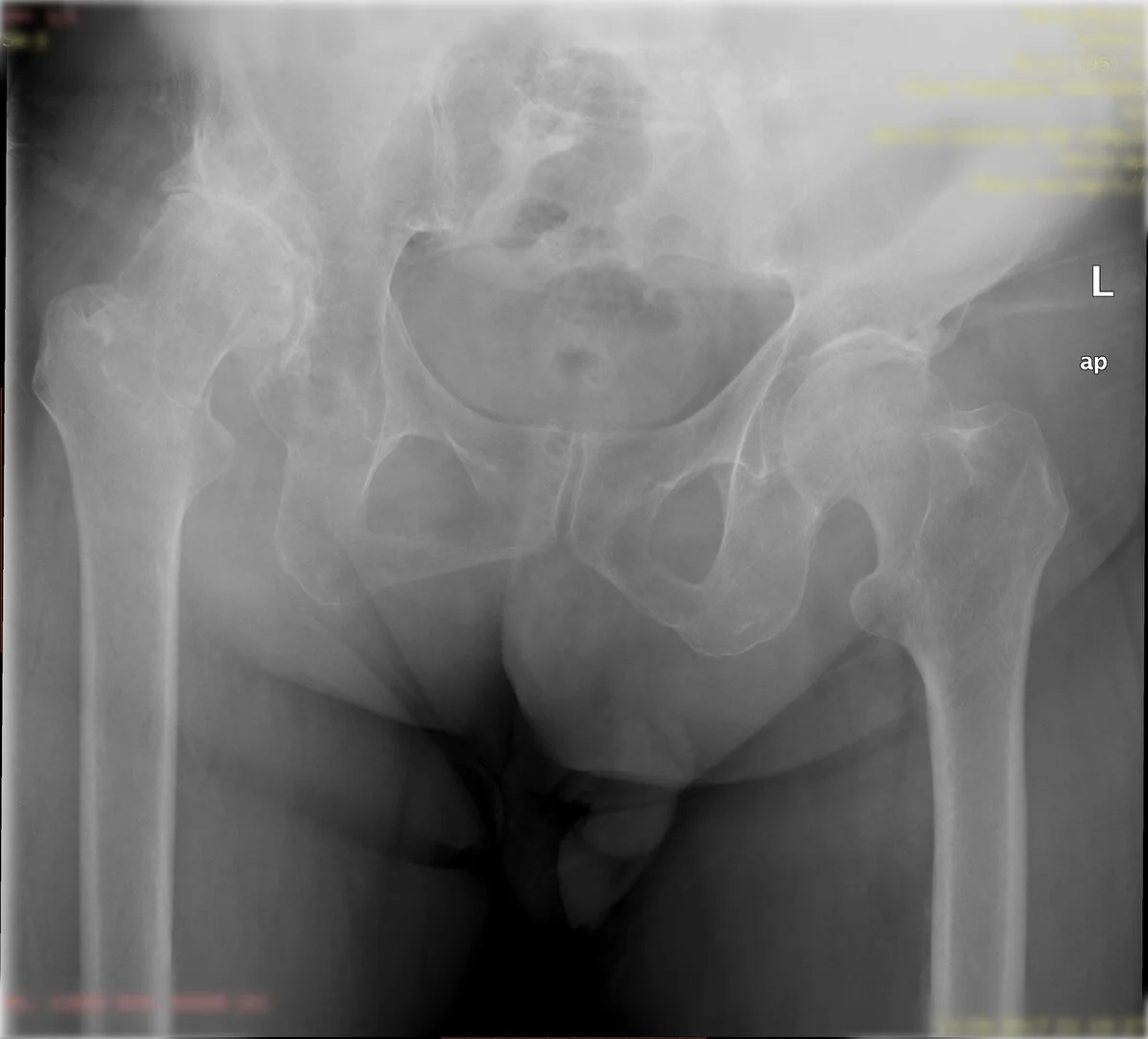
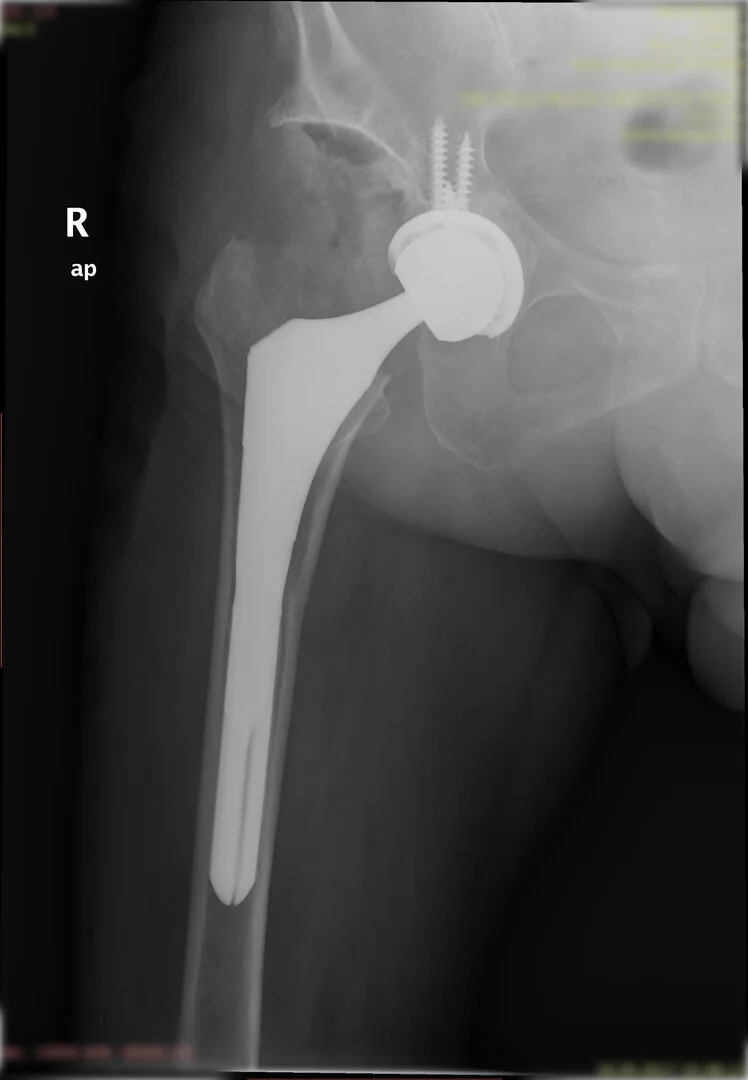
Coxarthrosis—also known as hip osteoarthritis—is another common condition we treat with joint replacement surgery. Like knee arthritis, it involves the progressive wear of cartilage in the hip joint, leading to pain, stiffness, and loss of mobility.
The same general criteria we use for knee replacement also apply to hip replacement decisions.
What Happens During Hip Replacement Surgery?
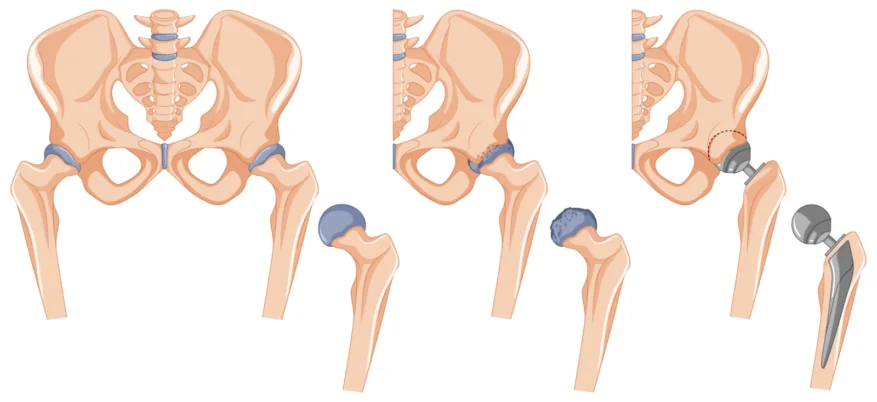
While the surgical principles are similar to knee replacement, the hip joint has a different anatomy and function. It consists of a ball (the femoral head) that fits into a socket (the acetabulum). In coxarthrosis, the smooth cartilage covering both surfaces wears away. As a result, the ball loses its round shape, causing pain and restricted movement.
During surgery:
- The damaged femoral head is removed.
- The acetabular socket is carefully reamed using precise guides, and a new cup-shaped implant is press-fit into place and secured with at least two screws for stability.
- The femur (thigh bone) is then prepared with specialized instruments, and a stem implant is inserted into the canal.
- Finally, the new ball-and-socket components are assembled to restore smooth, pain-free motion.
What to Expect After Surgery
- The surgical drain is removed 24 hours after the operation.
- Once the drain is out, patients are encouraged to stand and walk with full weight-bearing as soon as possible.
- We recommend walking 15–20 minutes every 2 hours during the early recovery phase to promote circulation and healing.
- Physical therapy may be prescribed to shorten adaptation time, improve strength, and ensure a safe, confident return to daily activities.
Arthritis Is No Longer a Barrier
Click on the images to enlarge them.
"These contents have been prepared by Prof. Dr. Halil Burç based on over 25 years of clinical experience."