
What Is Knee Replacement, and How Can It Help You?

Knee pain—especially in older adults or after years of joint problems—can severely limit your daily life. If simple activities like sitting down and standing up, shopping, climbing stairs, or even sleeping through the night have become painful struggles, it may be time to look beyond the idea that “this is just part of getting old.
This is where knee replacement surgery comes in.
Knee replacement (also called total knee arthroplasty) involves replacing the damaged cartilage and bone surfaces of the knee joint with smooth, artificial components made of metal and medical-grade plastic. The goal? To eliminate pain, restore movement, and help you return to an active, independent life.
Knee Replacement Surgery
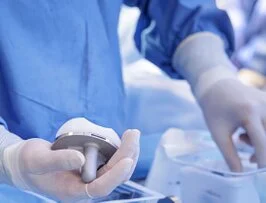
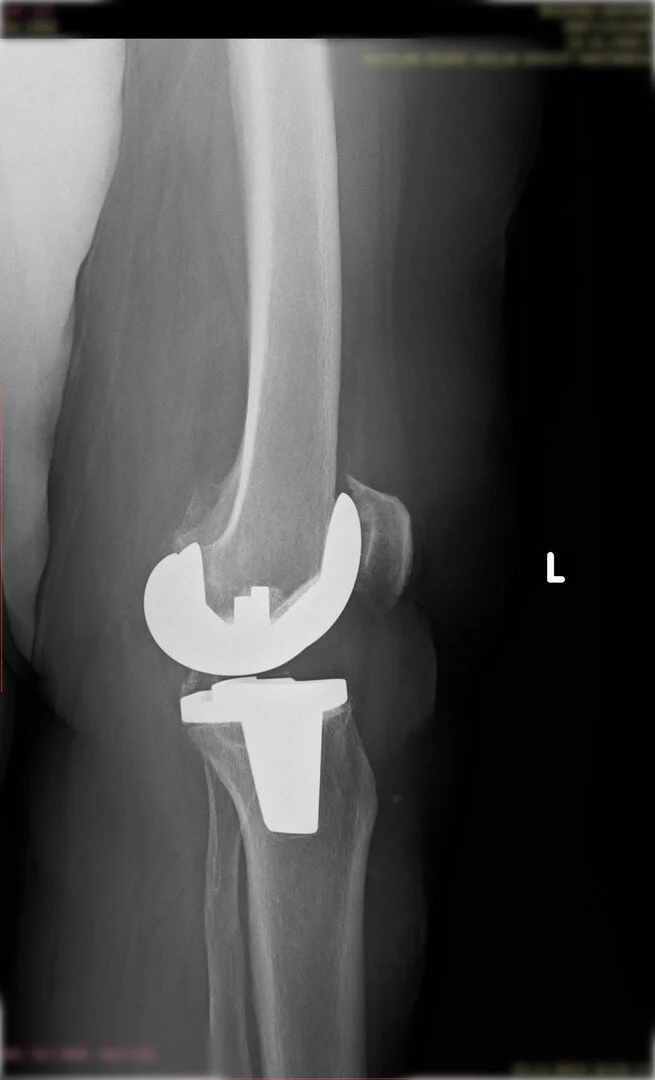
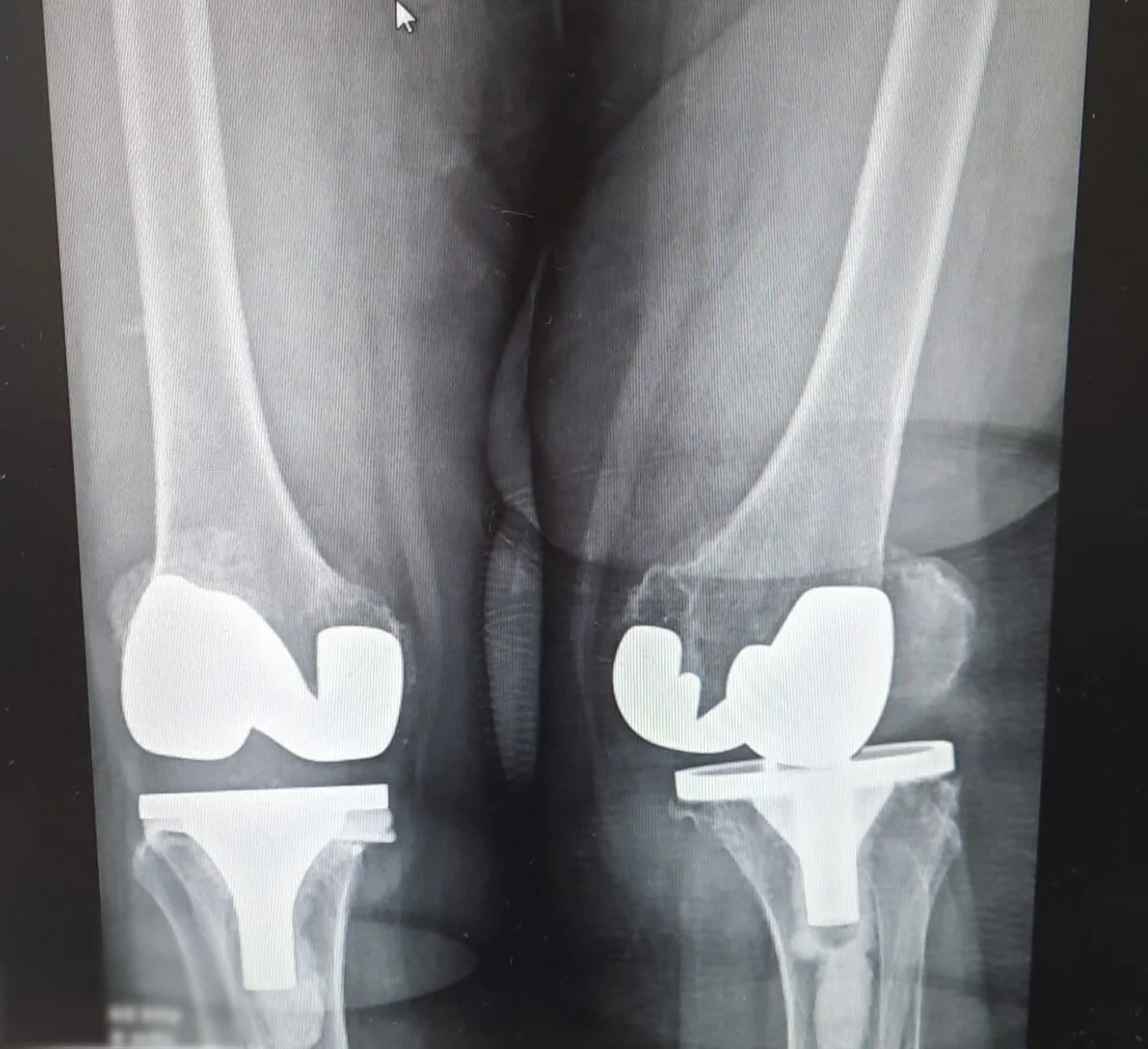
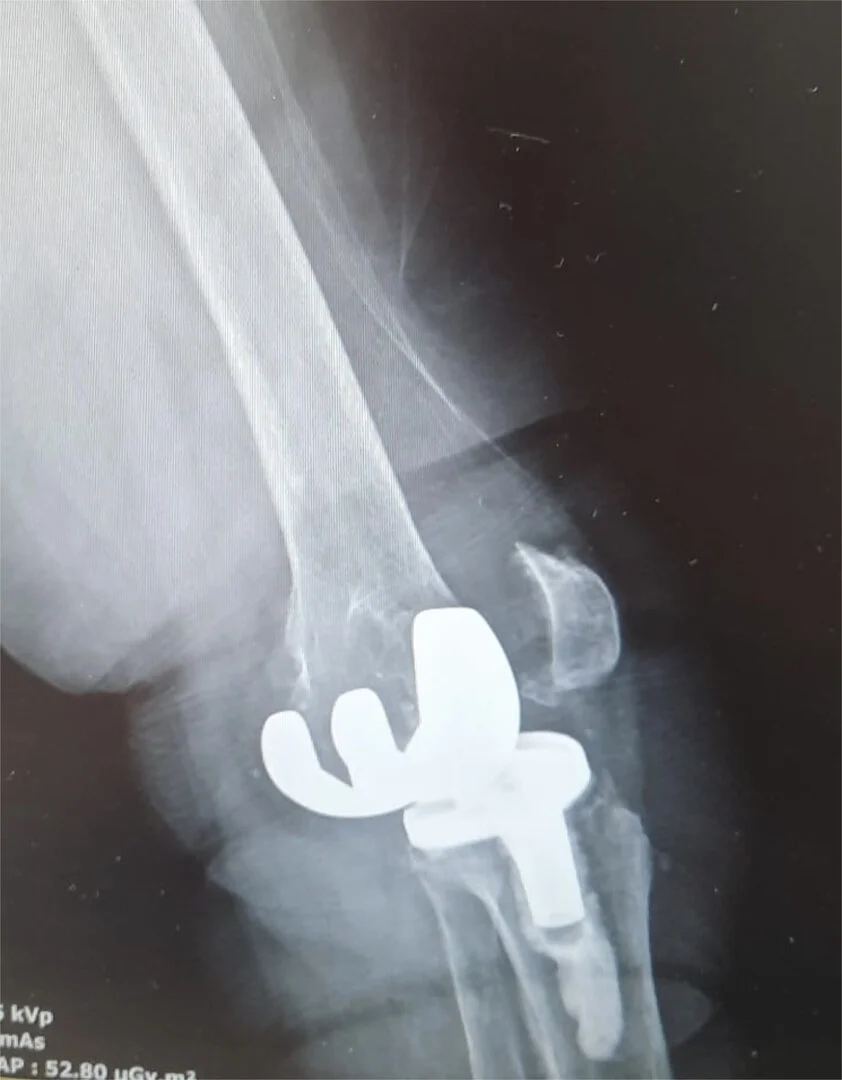
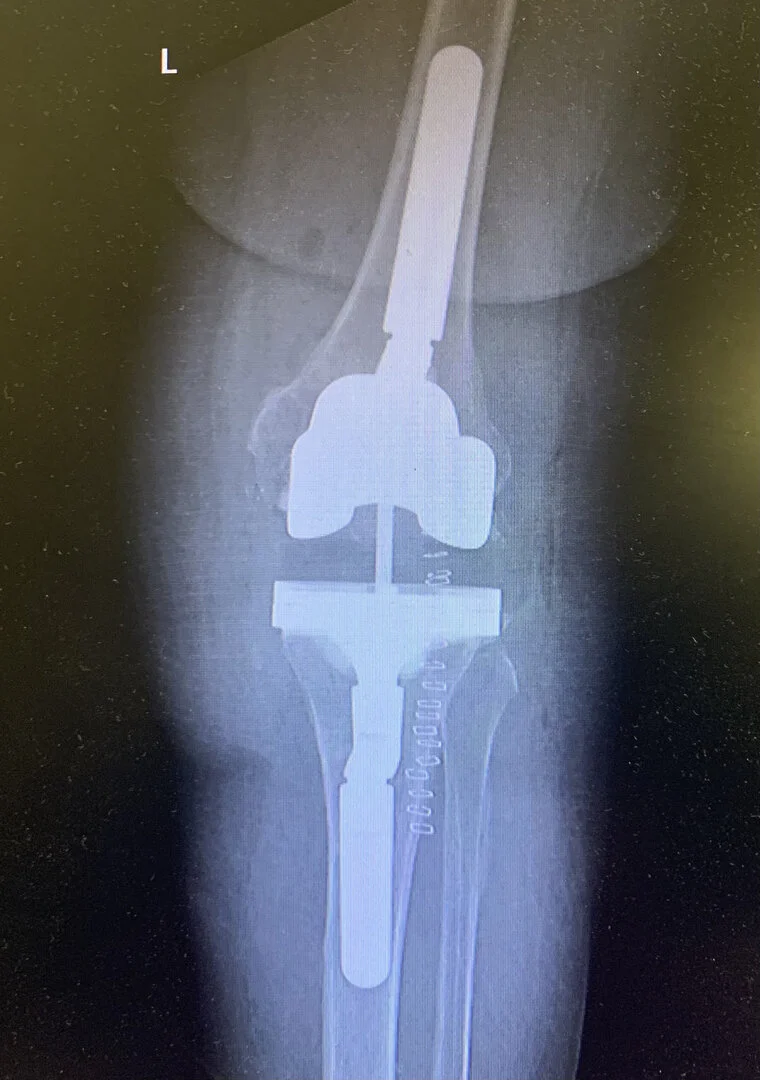
Knee replacement surgery involves replacing a worn-out, damaged, or severely degenerated knee joint with an artificial one. During the procedure, the surgeon removes the damaged bone and cartilage that cause pain and replaces them with a durable prosthesis made of metal and medical-grade plastic. This restores smooth, stable, and pain-free movement to your knee.
Who Is a Candidate for Knee Replacement?
Knee replacement is typically recommended for patients with advanced osteoarthritis (joint degeneration) whose symptoms no longer respond to conservative treatments—such as pain medications, injections, or physical therapy.
The final decision is always made together with your doctor, based on a thorough evaluation including X-rays, MRI (if needed), physical examination, and a detailed discussion of your symptoms and lifestyle goals.
What Happens After Surgery?
The first few weeks after surgery are crucial. With guided exercises supervised by a physical therapist or rehabilitation specialist, most patients stand up quickly and regain a natural walking pattern.
Many return to their daily activities within a few weeks, and it’s not uncommon to hear our patients say:
“I wish I’d done this sooner!”
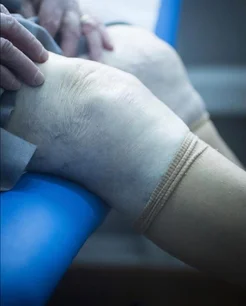 Protezler doğru kullanıma bağlı olarak, 15-20 yıl, hatta daha uzun süre görev yapabilir. Doğru bakım ve sağlıklı bir yaşam tarzıyla bu süre uzatılabilir.
Eğer diz ağrınız sizi yiyip bitiriyor ve yaşama keyfinizi kaçırmaya, hayat kalitenizi düşürmeye başladıysa, bir ortopedi uzmanına görünmekten çekinmeyin. Belki de sizin de “eskiden olduğu gibi yürümek”, “ağrıdan uyanmamak” gibi rahat bir hayata dönmeniz, bir protezle mümkün olabilir.
If your knee pain:
makes even simple daily activities difficult,
keeps you from sleeping, or
no longer responds to pain medication—
we recommend consulting an orthopedic surgeon to see if knee replacement surgery might be right for you.
Taking that step could bring you closer to a healthier, pain-free life!
What Is Gonarthrosis and How Is It Treated?
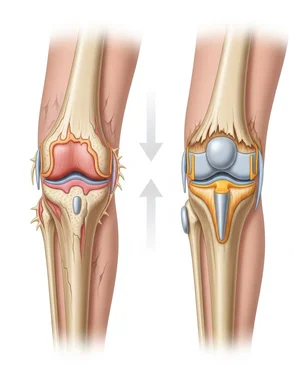
Gonarthrosis—commonly known as knee osteoarthritis—is the progressive wear and tear of the cartilage in the knee joint. Before considering joint replacement surgery, we typically try a range of non-surgical treatments, including:
- Pain medications
- Physical therapy
- Weight management
- Injections (such as corticosteroids or hyaluronic acid)
- Activity modification
These approaches often help manage symptoms effectively in early to moderate stages.
When Is Knee Replacement Considered?
We consider total knee replacement surgery when:
- Pain becomes severe and constant,
- Walking even 100 meters becomes impossible,
- Pain persists despite rest and painkillers, and
- Daily activities are significantly limited.
Patient age is also an important factor. In younger patients, we generally avoid total knee replacement unless there is a compelling reason—such as severe deformity, trauma, or advanced joint destruction—because prostheses have a limited lifespan and younger, more active individuals may eventually need revision surgery.
Our goal is always to preserve your natural joint for as long as safely possible, while ensuring you maintain mobility, independence, and quality of life.
Frequently Asked Questions (FAQ)
What should I expect after surgery?
After knee replacement surgery, a drain is typically placed inside the joint and removed within 24 hours. Once the drain is out, you’ll be encouraged to stand and walk as soon as your pain allows, bearing full weight on the operated leg.
We recommend:
- Walking 15–20 minutes every 2 hours,
- Gently bending and moving your knee regularly throughout the day.
When followed consistently, these steps lead to excellent outcomes. Most patients fully adapt to their new knee implant within 1.5 to 3 months. Physical therapy plays a key role in making this recovery faster, smoother, and more comfortable.
What exactly happens during total knee replacement surgery?
During the procedure:
1- The damaged joint surfaces are carefully reshaped using precision surgical guides.
2- Metal implants are then securely fixed to the prepared bone surfaces using medical-grade bone cement.
3- A special high-density polyethylene (plastic) spacer is inserted between the metal components to reduce friction and allow smooth, natural movement—just like a healthy knee.
2- Metal implants are then securely fixed to the prepared bone surfaces using medical-grade bone cement.
3- A special high-density polyethylene (plastic) spacer is inserted between the metal components to reduce friction and allow smooth, natural movement—just like a healthy knee.
Click on the images to enlarge them.
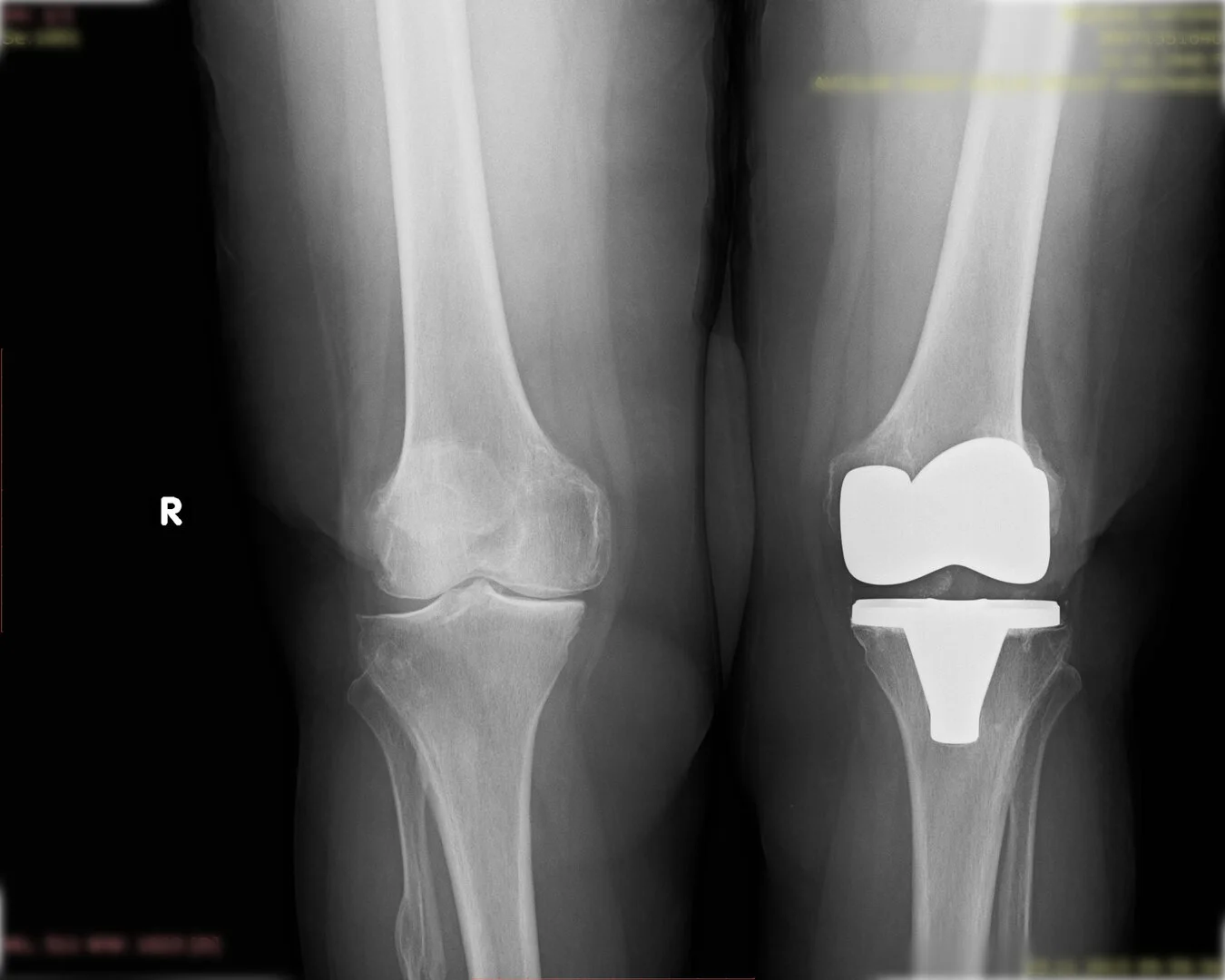
"These contents have been prepared by Prof. Dr. Halil Burç based on over 25 years of clinical experience."