Degenerative Spine Conditions (Spinal Osteoarthritis)
 Just like the knee and hip joints, the spine also contains small joints -called facet joints -between the vertebrae.
Due to anatomical abnormalities, trauma, or aging, these joints can develop degeneration (osteoarthritis), leading to a range of spinal disorders. These conditions typically appear in older adults and include several distinct diagnoses. Below, we briefly explain the most common ones.
What Is De Novo Scoliosis?
De novo scoliosis—also known as adult degenerative scoliosis—develops in individuals who did not have significant scoliosis earlier in life. Over time, asymmetric wear of spinal discs and joints causes the spine to curve abnormally, usually becoming symptomatic after age 50–55.
This imbalance leads to:
- Chronic back and leg pain
- Reduced walking distance
- Postural changes (leaning forward or to one side)
- Significant decline in quality of life
Surgical treatment is often necessary for progressive cases. The surgical plan must be personalized based on the patient’s age, overall health, curve pattern, and symptoms. We encourage you to consult with our team to discuss which surgical approach would best suit your condition.

What Is Lumbar Spinal Stenosis (Narrow Canal Syndrome)?
The spinal canal is a bony tunnel formed by the vertebral body in front and the lamina and pedicles at the back and sides. The spinal cord runs through this central canal, while nerve roots exit through small openings on either side called neural foramina.
When this canal narrows due to degeneration (bone spurs, thickened ligaments, or disc bulging), it compresses the nerves, causing:
- Neurogenic claudication: leg pain, numbness, or weakness that worsens with walking and improves when sitting or bending forward
- Reduced walking distance
- In severe cases: loss of bladder or bowel control
- A characteristic posture: patients often feel relief only when leaning forward (e.g., while pushing a shopping cart)
Symptoms vary depending on which spinal level(s) are affected.
Surgery is the definitive treatment for moderate to severe spinal stenosis when conservative measures fail.
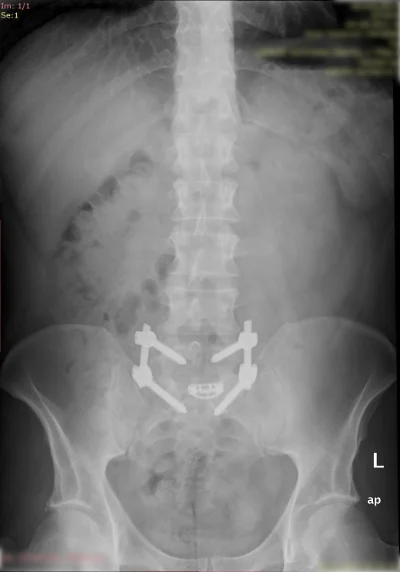
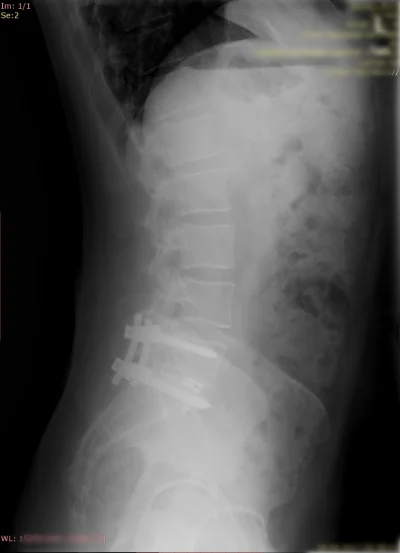
TLIF (Transforaminal Lumbar Interbody Fusion)
One of the most effective surgical techniques for spinal stenosis is TLIF. In simple terms:
- Screws and rods are placed into the vertebrae for stability.
- The damaged disc between two vertebrae is completely removed.
- A cage (metal or polymer spacer) filled with bone graft is inserted into the disc space to:
- Restore disc height
- Widen the narrowed neural foramina
- Promote fusion (permanent joining) of the two vertebrae
Every TLIF procedure is carefully planned based on the patient’s specific anatomy, symptoms, and imaging findings. A personalized approach ensures the best possible outcome.


Click on the images to enlarge them.
"These contents have been prepared by Prof. Dr. Halil Burç based on over 25 years of clinical experience."