
Lumbar Disc Herniation (Slipped Disc / "Bel Fıtığı")
What Is a Lumbar Disc Herniation?
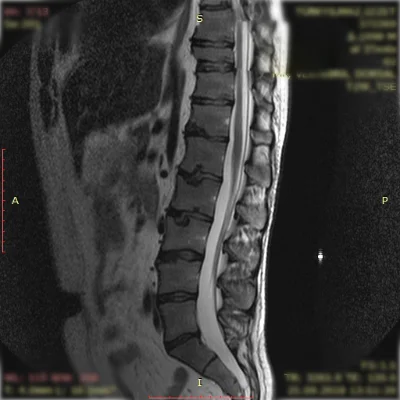
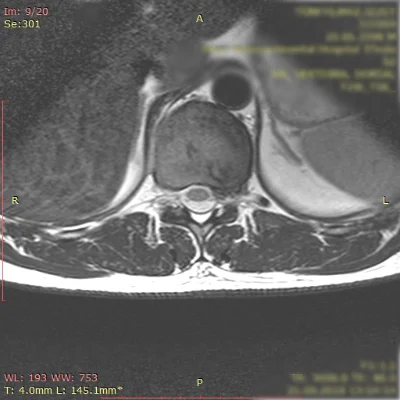
Each spinal segment consists of three parts: two vertebrae (one above and one below) and an intervertebral disc between them.
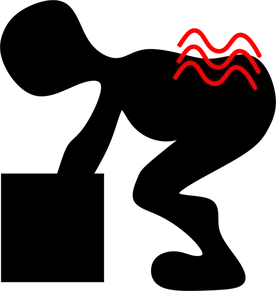
The outer rear portion of this disc loses its blood supply very early in life—often before birth—which makes it naturally weaker. As a result, herniations most commonly occur in this area. When the disc’s outer layer tears, the soft, gel-like center inside can leak out and press on a nearby nerve root. This compression causes pain, numbness, or even muscle weakness in the lower back, buttocks, or legs.
What Should Be Done for a Herniated Disc and Back Pain?
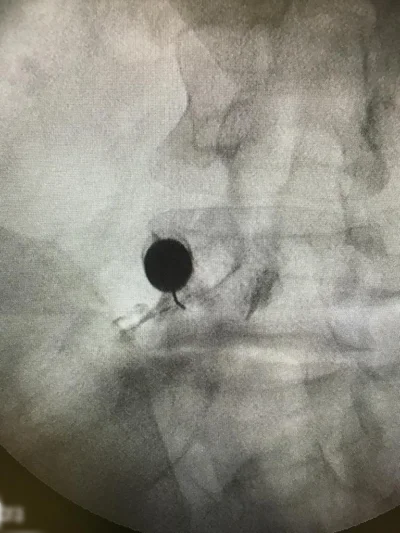
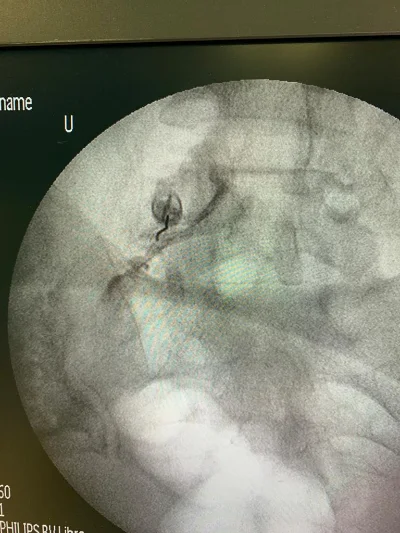
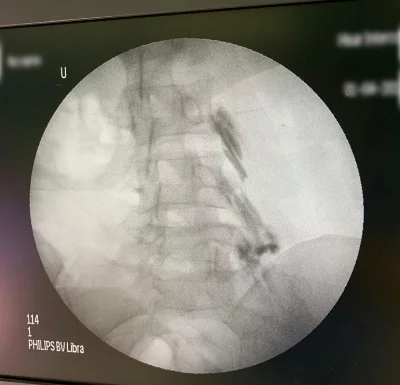
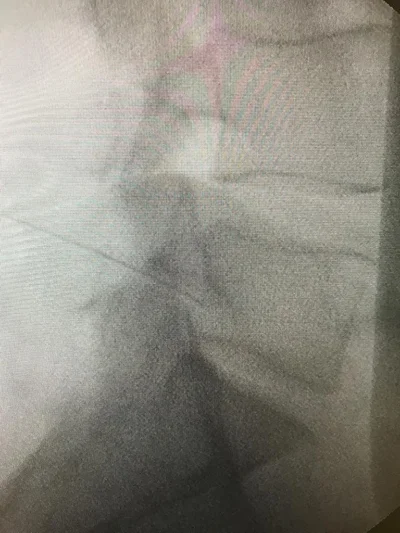
Surgery is not necessary if there is no significant muscle weakness. If your pain cannot be controlled with medications and you have no neurological deficits (like weakness), we may offer transforaminal steroid injections—a minimally invasive, outpatient procedure performed in the operating room under imaging guidance.
The gold standard surgical treatment for lumbar disc herniation is microscopic microdiscectomy—often mistakenly called “laser surgery” by the public. This precise, minimally invasive technique removes only the herniated portion of the disc while preserving healthy tissue.
Because every herniation is different, we recommend a consultation to determine which treatment is best suited for your specific condition
How to Prevent Disc Herniation and Back Pain
Movement Is Essential
Paying attention to your daily habits is crucial—and yes, we always emphasize movement. We encourage regular physical activity, even though we understand it’s not always easy for everyone.
Just one weekly yoga session, gentle stretching routines, or a daily walk (aiming for about 8,000 steps per day) can make a meaningful difference in your spinal health and overall well-being.
Reduce Stress as Much as Possible
While stress is part of life, minimizing it plays a key role in managing chronic pain and preventing flare-ups.
Consider:
- Engaging in hobbies you enjoy
- Spending quality time with family
- Building a supportive social network—for example, joining community groups like Rotary or Lions Clubs
- Volunteering—even small acts, like visiting an elderly neighbor, can bring purpose without physical strain
- Journaling or writing daily reflections—some of my blog posts began as personal letters to myself (or even to my cat!) about “living life with quality”
These activities won’t just distract you—they can gently shift your mindset away from pain and stress, helping you reconnect with joy, purpose, and calm.
Click on the images to enlarge them.



"These contents have been prepared by Prof. Dr. Halil Burç based on over 25 years of clinical experience."