
Spinal Fractures
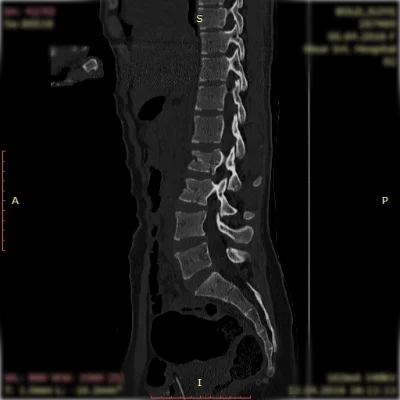
Spinal fractures are often caused by high-energy trauma (such as car accidents or falls from height) and may be accompanied by other serious injuries. Therefore, patients must undergo a thorough and detailed evaluation.
Stable (Minor) Fractures
Fractures that do not disrupt spinal alignment—often called stable or minor fractures—are typically managed non-surgically with a brace (orthosis) and close monitoring.
Unstable Fractures & Neurological Involvement
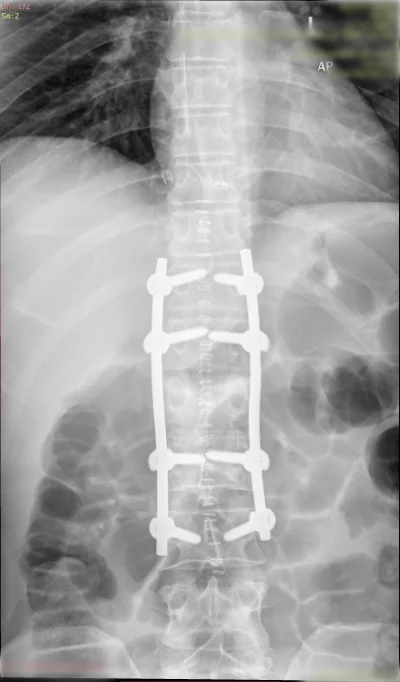
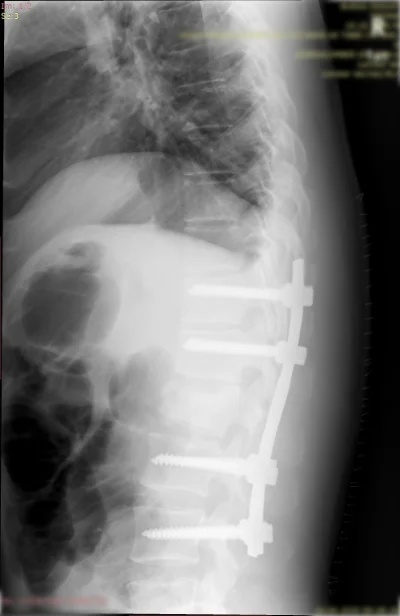
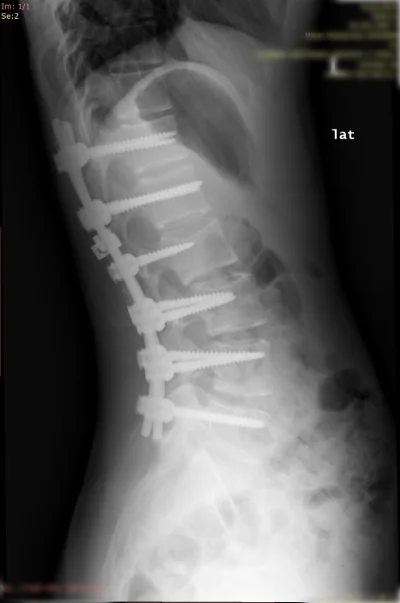
If the fracture causes spinal instability—meaning abnormal movement occurs when the patient tries to stand—or if there is partial or complete paralysis (or risk of paralysis), surgical stabilization is necessary.
The choice of surgical approach depends on:
- The location and type of fracture,
- The patient’s neurological status,
- And overall clinical condition.
In some cases, posterior fixation (placing screws and rods through the back) is sufficient. In more complex injuries, a combined approach—with additional access from the front (anterior)—may be required to fully decompress the spinal cord and restore stability.
Osteoporotic Spinal Fractures
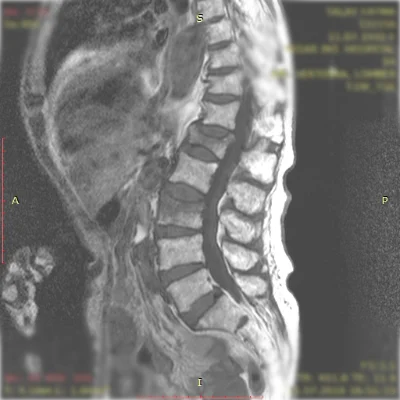
A significant portion of spinal fractures occur in older adults due to osteoporosis (bone thinning). In these patients, the vertebral bodies become so weak that even minor trauma—like bending, coughing, or a simple fall—can cause a fracture.
Treatment is tailored to the fracture pattern and severity:
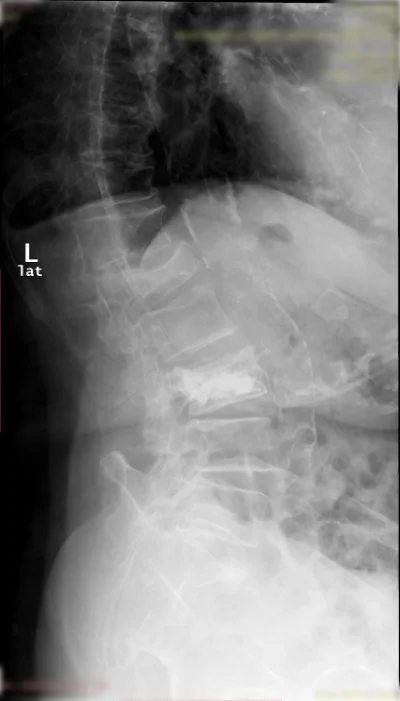
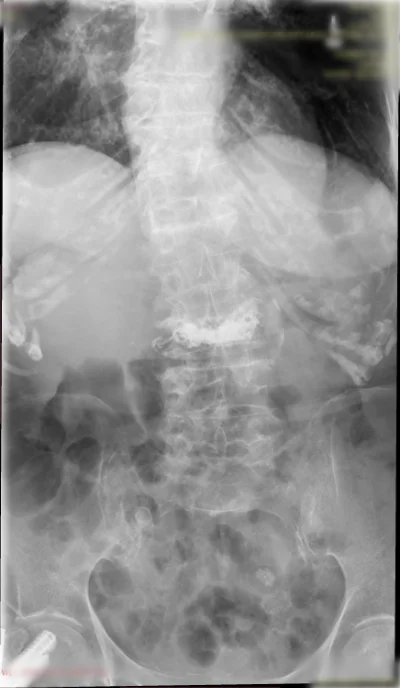
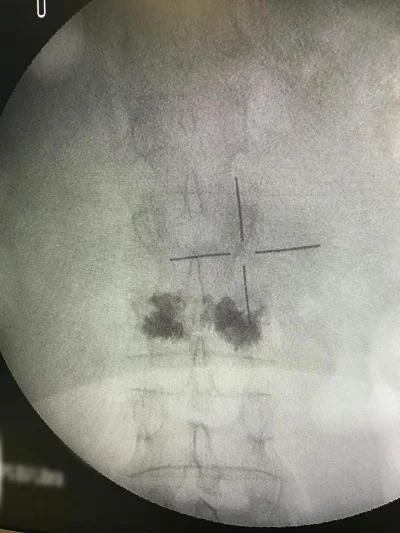
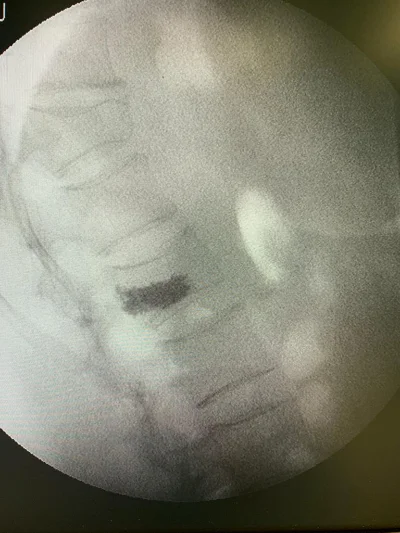
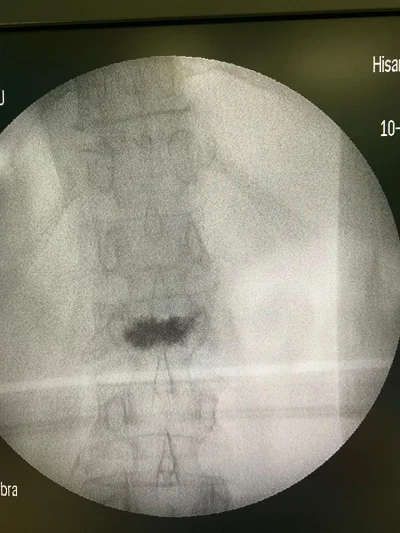
- For simple compression fractures, we often perform vertebroplasty or kyphoplasty.
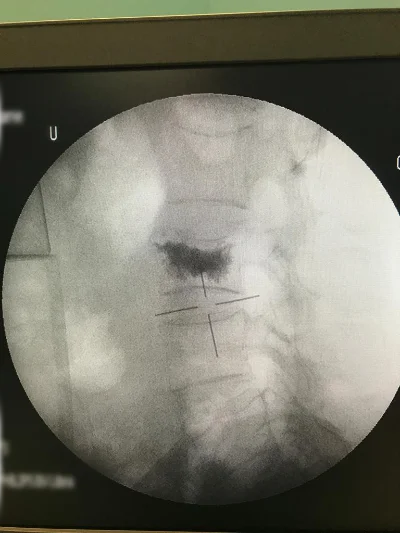
- These are minimally invasive procedures performed under local anesthesia and real-time X-ray guidance (fluoroscopy).
- During the procedure, a special bone cement is injected through small needles into the fractured vertebra to stabilize the bone, relieve pain, and prevent further collapse.
As with all spinal conditions, treatment must be personalized. We encourage you to consult with our team to determine the most appropriate surgical or non-surgical option for your specific case.
Click on the images to enlarge them.


"These contents have been prepared by Prof. Dr. Halil Burç based on over 25 years of clinical experience."